A guide to cuts, grades, and specialty items
The products you'll find at a quality butcher counter tell a story about sourcing, expertise, and attention to detail. Unlike supermarket cases where meat sits pre-packaged under lights, a butcher shop offers fresh cuts made to order, specialty selections sourced from specific farmers or regions, and informed guidance on cooking methods suited to each product.
Understanding the categories — prime cuts, secondary muscles, charcuterie, and prepared items — helps you make informed choices and discover new ways to cook. This guide walks through what you're likely to encounter and how to select the right product for your needs.
Most butcher shops organize their offerings into clear categories. Understanding these distinctions helps you navigate the counter and pick what suits your cooking plans.
| Category | Characteristics | Best Cooking Methods | Selection Tip |
|---|---|---|---|
| Prime Cuts | Tender muscles from high-value areas; well-marbled beef | Dry heat: grilling, pan-searing, roasting | Ask about aging or sourcing; flavor increases with marbling |
| Secondary Muscles | Flavorful but tougher; require slower cooking | Moist heat: braising, slow-roasting, stewing | These cuts often offer better value and rich, developed flavors |
| Ground Meat | Custom grinds from whole cuts; freshly processed | Browning for sauces, burgers, meatballs | Request blend; ask about fat ratio for your intended use |
| Charcuterie & Cured | Sausages, pâtés, cured meats; house specialties | Varies: some sliced cold, others seared or roasted | These items reflect the butcher's craftsmanship and sourcing |
| Prepared & Deli Items | Ready-to-cook marinated cuts, prepared sides | Follow label guidance; usually quick cooking | Convenient for weeknight dinners without losing quality |
One of the defining advantages of a butcher counter is the ability to request cuts made fresh and customized to your exact needs. Whether you're looking for a steak cut to a specific thickness, or a ground blend tailored to your recipe, a skilled butcher can adapt their product to match your plan.
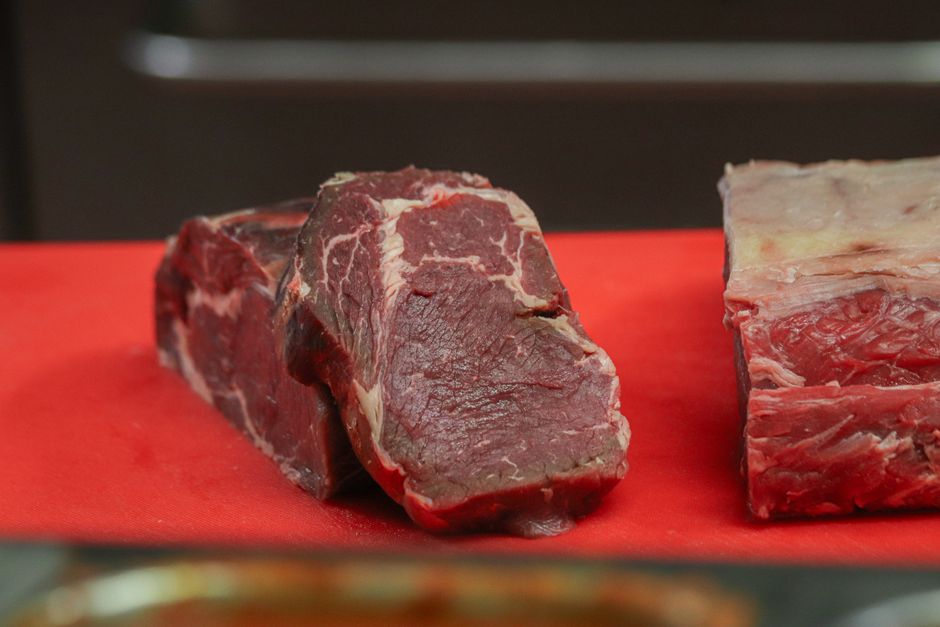
Premium cuts — your rib-eyes, strips, and tenderloins — are judged by marbling (intramuscular fat), color, and the butcher's knowledge of their source. Ground selections can be dialed in by fat percentage and cut composition. A 70/30 blend behaves differently in meatballs than an 80/20. The difference matters, and a good butcher will ask about your intended use before making a recommendation.
Beyond fresh meat, butcher shops often develop relationships with small producers — charcuterie makers, sausage specialists, and food artisans — to curate selections that reflect local food culture and their own preferences. Sausages, pâtés, terrines, and cured meats showcase the depth of the butcher's craft. These items take time to produce and often reflect specific sourcing philosophies.
Many shops also prepare marinated cuts, spice rubs, or simple sides ready for the home cook. These fall into a useful middle ground: the quality and ingredient care of a butcher counter, with the convenience of a prepared meal. It's worth asking what the shop offers in this category — you'll often find weekly specials or seasonal preparations that reveal what the butcher is excited about.