The Craft of Aging: Why Proper Dry-Aging Changes Everything
Meat That Gets Better With Time
Most people buy meat from a case and cook it that evening. They accept what they find and eat what they paid for. But the specialty butcher sees meat differently—not as a commodity, but as a living project that improves with time, technique, and temperature control.
The difference between rushed meat and properly aged meat isn't subtle. It's the difference between a good dinner and one you remember. And it all comes down to patience, space, and knowledge most grocery-store operations simply don't have.
Why Aging Matters
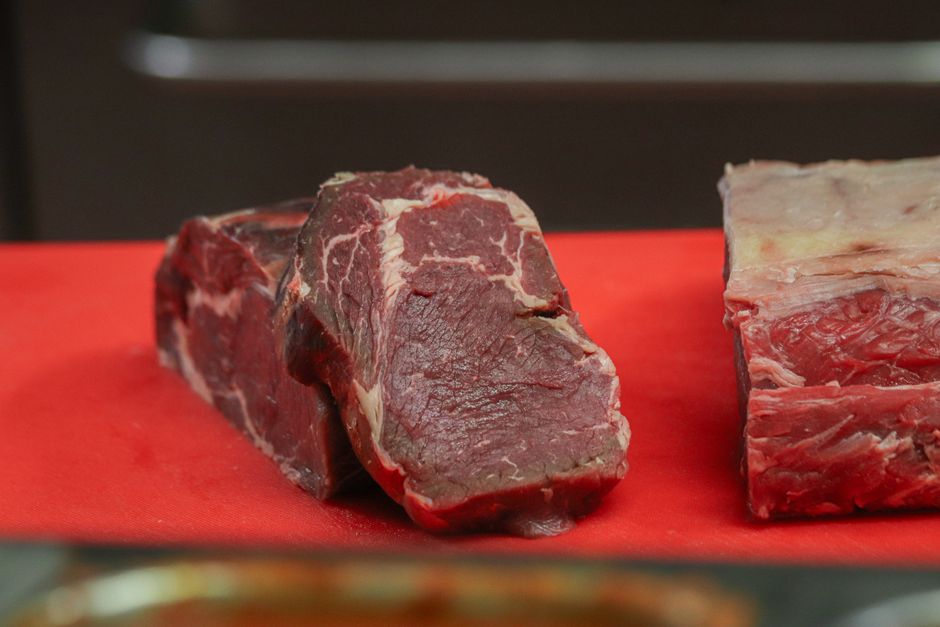
Dry-aging is controlled breakdown. Enzymes work on muscle fibers, moisture evaporates, and flavors concentrate. A 28-day dry-aged ribeye tastes nothing like a fresh ribeye because the meat has fundamentally changed—become more tender, more flavorful, more complex.
The process requires:
- Dedicated humidity-controlled coolers (expense most supermarkets skip)
- Expert trimming (removing mold and oxidized surfaces safely)
- Knowledge of which cuts benefit and which don't
- Patience (turning over inventory takes space and time)
A specialty butcher weighs these factors daily. A large chain counts SKUs and shelf space. The difference in your meat shows.
The Counter-Case
"Dry-aging is expensive, wasteful, and unnecessary. Modern meat is already tender and safe. Any restaurant charging premium prices for dry-aged beef is playing on snobbery, not flavor."
— A skeptical voice on efficiency
This argument has teeth. Dry-aging shrinks yield by 20-30%. A butcher paying premium prices for quality beef and then watching a quarter of it evaporate is not running a high-margin business. And freezing meat properly can maintain quality for months at a fraction of the cost.
The counterpoint is simpler: taste it. Put a fresh ribeye and a 35-day aged ribeye on the same plate and eat them back-to-back. You're tasting the difference between good and something else. For some customers, the difference justifies the cost. For others, it doesn't. Neither judgment is wrong. But dismissing the craft as theater shows you've never really tasted the result.
How a Butcher Decides
A specialty butcher runs through this logic for every cut:
- Start with the source. What cattle went into this beef? Where did they spend their life? What were they eating at the end? A butcher who knows their suppliers can speak to breed, diet, and finishing—information that directly affects how meat will age.
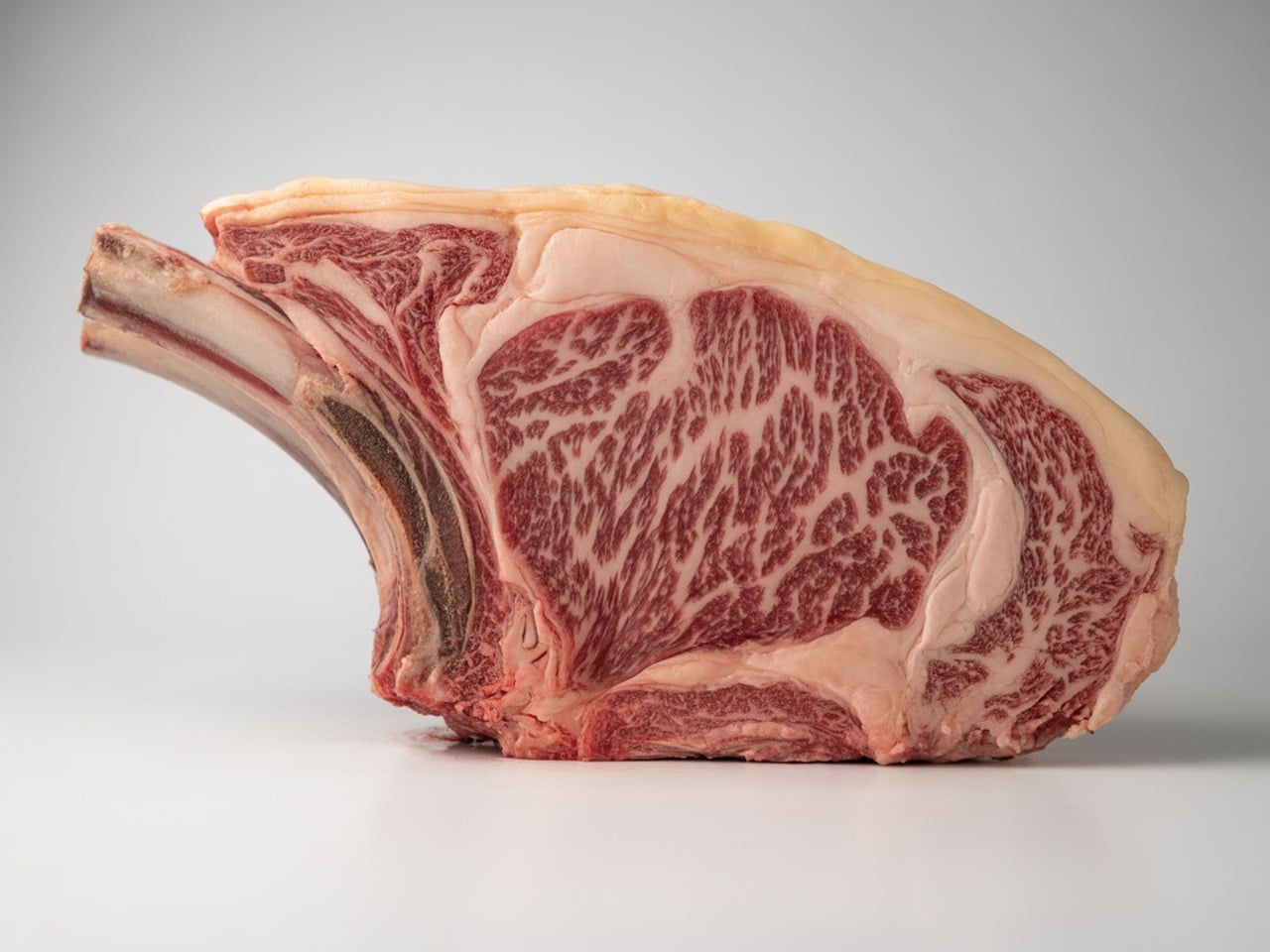
- Read the meat. Color, marbling, firmness tell a story. Beef with good intramuscular fat (marbling) ages well. Leaner cuts risk drying out. A skilled eye catches these details in seconds; experience teaches what will happen next.
- Set the calendar. A rib-eye might sit for 28 days. A tenderloin, 21. Leaner cuts get less time. The butcher tracks temperature, humidity, and mold formation—adjusting if conditions shift.
- Trim with intention. As the meat ages, the surface oxidizes and mold growth is controlled and trimmed away. The butcher removes the aged bark and reveals the gem inside. It's skilled work, not waste removal.
- Cut to order. When a customer asks for a steak, the butcher cuts it from hanging meat, not a case. Temperature, thickness, sealing—all handled for that one person's meal. It's the opposite of efficiency. It's the opposite of industrial.
What This Means for You
If you cook at home, dry-aged beef won't change your life every time. A well-cooked fresh steak is still delicious. But if you've never had truly aged meat, the experience is worth seeking out once.
The education that comes with it matters too. A butcher who ages meat is someone who cares about the entire story—sourcing, handling, storage, cutting, timing. They're not moving volume. They're solving small problems for individual customers. That mindset shows in every interaction.
When you find a butcher who thinks this way, you've found someone worth returning to. Not because their meat costs more, but because you understand why. That's craft. That's the difference.