Community gatherings that celebrate food, craft, and local connection
Quality butcher shops have evolved beyond a transactional counter into community gathering spaces. Events — whether tastings, cooking classes, educational workshops, or seasonal celebrations — reflect a commitment to food education and building relationships with customers. These gatherings give you a chance to meet producers, learn cooking techniques, discover new products, and connect with other people who care about food.
The types of events vary widely depending on the shop's philosophy and resources. Some are intimate wine-and-charcuterie tastings. Others are hands-on cooking classes or talks from visiting farmers. Understanding what's available helps you get more from your relationship with a butcher shop beyond the counter itself.
Different events serve different purposes. Here's an overview of what you're likely to encounter, and what each type tends to offer.
| Event Type | What to Expect | Typical Schedule | Best For |
|---|---|---|---|
| Tastings & Pairings | Small plates of house-made or curated charcuterie paired with wine or craft beverages | Evening events, often Friday or Saturday; 1-2 hours | Discovering products and meeting other food enthusiasts in a relaxed setting |
| Cooking Classes | Hands-on instruction in butchery basics, meat preparation, or recipe-focused workshops | Weekend mornings or midweek evenings; 2-3 hours | Learning specific techniques or building confidence with less familiar cuts |
| Producer Talks | Direct conversation with farmers, ranchers, or other food makers about sourcing and craft | Vary widely; usually 1-1.5 hours | Understanding the story behind the food and building trust in sourcing choices |
| Seasonal Celebrations | Holiday-themed events with special products, beverages, and social atmosphere | Around holidays; timing varies by shop and season | Festive gathering and discovering seasonal or limited-batch offerings |
| Grill & Demo Events | Live grilling or cooking demonstrations with sampling and shopping opportunities | Usually warm-weather months; afternoon/early evening | Seeing finished dishes and getting confident with preparation methods |
Tastings represent one of the most accessible event types and a smart way to explore products you might not purchase on your own. A structured tasting — where the butcher or a beverage specialist guides you through selections — creates context and confidence. You learn which cured meats pair with which wines, how texture and flavor profiles work together, and often discover niche producers or house-made items you didn't know existed.
Tastings also remove pressure. You can try a small bite of an unfamiliar item without committing to a full purchase. For people building their palate or exploring the range at a new shop, this matters. Many serious customers say their favorite products came from discovering them at a tasting.
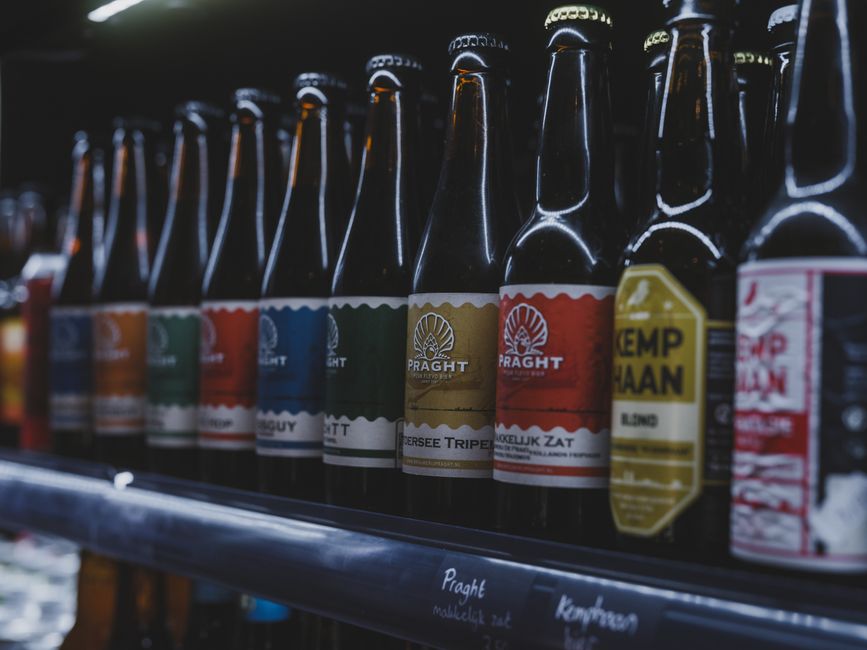
Whether you're attending a class or a tasting, a few simple practices make the experience richer. Arrive with curiosity rather than rigid expectations. Ask questions — about sourcing, technique, flavor profiles, or what the butcher recommends. Take notes if you discover something new you want to remember. And don't hesitate to follow up on products or methods later at the counter.
Events also often feature purchasing opportunities. Bringing cash or a card lets you take advantage of special pricing, pre-orders for limited items, or impulse discoveries. Many shops create event-specific bundles or make exclusive products available only during gatherings.
It depends on the event. Large tastings or classes often require advance registration to manage capacity and plan quantities. Casual drop-in events like a grill demo may be open to walk-ins. Check the shop's website or call ahead — they'll have specifics on their event registration process.
Event pricing varies. Some tastings are free for regular customers and charge a modest fee otherwise. Classes typically run $25–$60 depending on length and inclusions. Producer talks are often free or donation-based. Many events include samples or small products, but beverages and larger purchases are separate. Ask when you register.
Most events welcome all skill levels. Classes are often designed for people building confidence rather than advanced cooks. The point is learning and community, not proving expertise. If you're uncertain, mention your experience level when registering — the host can guide you toward the best fit.
Frequency varies by shop — some host monthly events, others quarterly or seasonally. The best way to stay informed is to visit the shop's website, follow their social media, or sign up for their email list. Many butcher shops also post event announcements at the counter and will mention them when you chat with the butcher or staff.