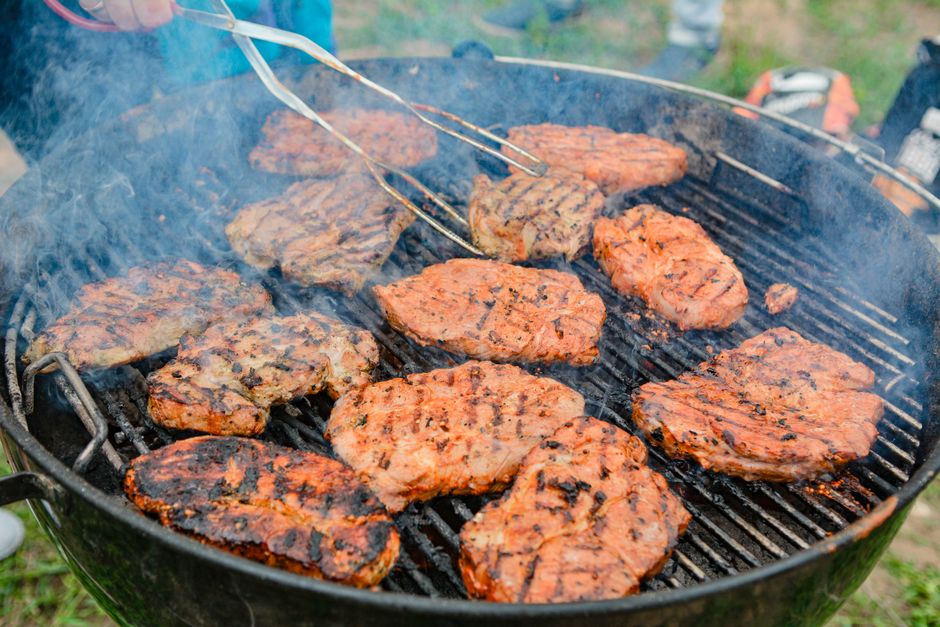
Discover what makes small-batch specialty food worth the hunt
Seasonal and limited-batch offerings represent the intersection of craft and availability. These aren't mass-produced items sitting in cold cases year-round—they're thoughtfully created products that reflect the best of what's available at a particular moment. Small-batch producers prioritize quality and freshness over volume. This means limited runs, careful selection of ingredients, and attention to detail that larger operations simply can't maintain.
Whether it's a spring charcuterie collection that highlights regional pork, a summer selection of grass-fed beef cuts at their peak, or fall batches of heritage breed poultry, limited offerings tell a story about sourcing and seasonality. For specialty butchers and artisan food shops, these batches represent the core of what they do.
Limited batches require planning and precision that span months. A specialty butcher working with heritage breed producers coordinates timing, quality standards, and delivery schedules well in advance. The producer raises the animals, the butcher sources them, and then skilled preparation creates the finished product.
Seasonal ingredients matter more than you might think. Grass-fed beef tastes different in spring versus late fall, depending on what the cattle have been eating. Pigs raised on acorns and root vegetables produce entirely different flavor profiles than grain-finished animals. These variables mean that limited batches from the same producer can taste noticeably different season to season—which is precisely the point.
Cost reflects this reality. Small-batch artisan products cost more than industrial alternatives because they represent genuine craftsmanship, careful sourcing, and quality control at every step. You're paying for flavor, ethics, and the story that comes with each product.
Limited-batch craft beverages—both beer and wine—follow the same philosophy as specialty meat. Breweries and wineries producing small runs focus on experimentation and quality. A seasonal amber ale brewed with local hops tastes completely different from a year-round standard. This seasonality creates opportunities to explore new flavor combinations alongside new meat releases.
Pairing matters. A spring lamb chop pairs differently with a bright IPA than a winter braised beef does with a full-bodied red. Working with a knowledgeable source helps you navigate these choices.
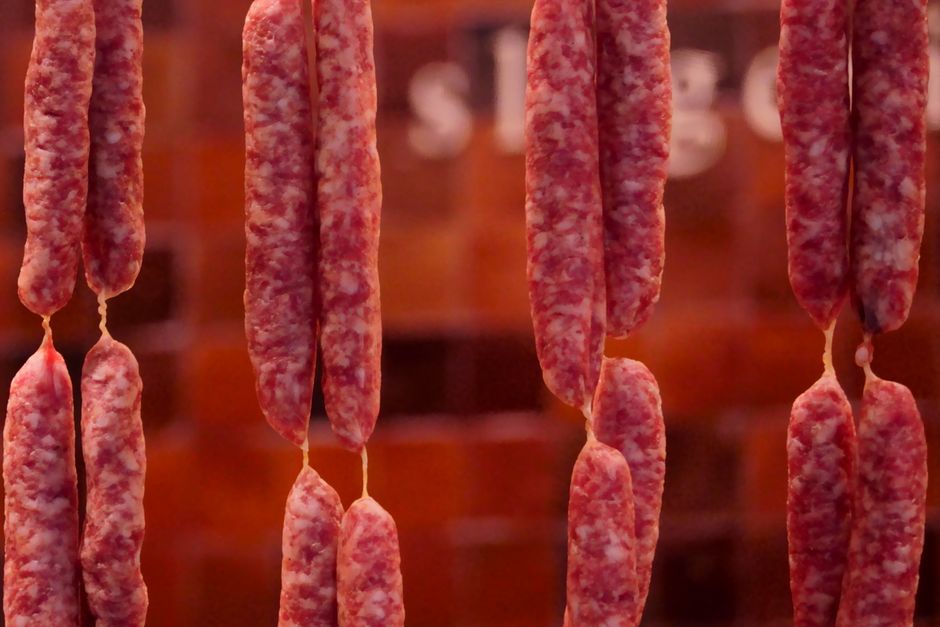
It depends on the product and demand. A small run of specialty sausage might last 2-3 weeks if it's popular. Heritage poultry available only during fall might be gone within days. Ask your butcher how long they expect current batches to last and arrange pre-orders if timing matters for your plans.
Seasonal items return each year at roughly the same time—spring lamb, summer grass-fed beef, fall charcuterie. Limited batches might be truly one-time offerings, or they might rotate based on what producers have available. Some are seasonal AND limited, creating a combination of predictability and surprise.
Yes, quality sources encourage this. If you want a whole heritage pig in November or specific grass-fed beef cuts for a summer event, reach out in advance. Many producers require substantial lead time to plan accordingly, and pre-orders help them manage production schedules.
Animal diet, age, and slaughter timing all affect flavor. Cattle grazing spring pasture develop different fat composition than those eating hay and grain. Heritage pigs in autumn taste different because they've been foraging. These variations aren't flaws—they're evidence of real, seasonal agriculture rather than standardized industrial production.
Seasonal shopping opens up a world of flavors you won't find on standard retail shelves. Start by visiting specialty butchers and craft beverage shops in your area—ask what's in season and what small batches they have available right now.
Visit our directory of trusted providers to discover shops specializing in seasonal and limited-batch foods in your region.